JillLebofsky may earn a commission if you buy through links on this page, at no extra cost to you. That does not change what we report.
Part of our Aeroslim overview. Last checked October 28, 2026.
Aeroslim weight loss has no human trial behind it that we could find: the vendor label lists six cough and airway ingredients in a 500 mg blend plus 20 mcg of vitamin D3, and none of them has been shown to cause weight loss in people.[1] The vendor sells the chewable tablet as a "Metabolic Respiration Accelerator" that helps you breathe out stubborn fat.[2]
Aeroslim is sold through BuyGoods. We read the label, the sales page, the FAQ and the vendor's 11 references on October 28, 2026.
Is Aeroslim weight loss backed by research?
No. We found no study of Aeroslim itself and no human weight-loss trial of any blend ingredient. The vendor's own reference page lists 11 papers, and none of them tests this product or shows that its herbs reduce body weight.[3]
The ingredient list explains why. Umckaloabo (Pelargonium sidoides) is studied for acute bronchitis and colds.[5] Ivy leaf is studied for cough, with small effects and a high risk of bias.[6] Mullein and coltsfoot are traditional cough herbs with no oral trials for any airway condition, let alone weight. Serratiopeptidase is an enzyme tested mostly for swelling after surgery.[7]
Vitamin D3 is the only ingredient with weight trials, and a meta-analysis of randomized trials found no significant change in body weight.[4]
What do the facts show?
The facts point one way: the formula reads like a cough and airway product with a weight-loss story attached. Every blend dose is hidden, so even the respiratory research cannot be matched to what is in a tablet. Here is each vendor claim next to what we found.
| Vendor claim | Where it appears | What we found |
|---|---|---|
| "Metabolic Respiration Accelerator", breathe out stubborn fat | Sales page, FAQ | No ingredient is shown to raise fat burning or carbon dioxide output; the product is untested |
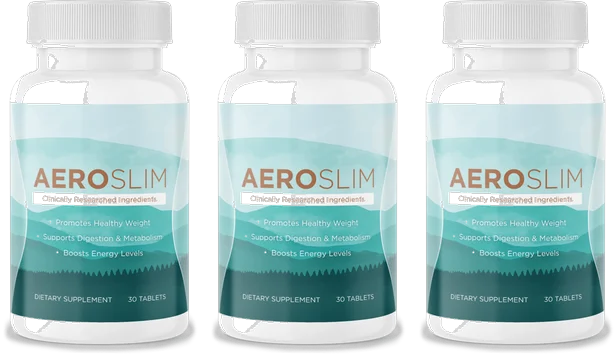
| "Clinically Researched Ingredients" | Front label | The research is on coughs, bronchitis and surgical swelling, not weight |
| "Promotes Healthy Weight" | Front label | No human weight-loss trial for any blend ingredient |
| Weight loss without restrictive dieting or exhausting exercise | FAQ | No evidence offered |
| Stanford researchers link breathing to weight gain | Sales page | No citation; the only Stanford-linked reference is a 2003 activity questionnaire study |
| 6 "weight-management ingredients" | Sales page | Label lists umckaloabo, ivy, mullein, coltsfoot, serratiopeptidase, peppermint oil |
Where does fat actually go?
The "breathe out fat" idea borrows from a real 2014 paper in the BMJ, which worked out that most of the mass of burned fat leaves the body as carbon dioxide through the lungs. That paper describes normal metabolism. It says nothing about supplements, and burning fat still depends on using more energy than you eat. Breathing harder or taking an airway herb does not change that equation.
What about the vitamin D3?
Each tablet has 20 mcg (800 IU), which is 100% of the Daily Value.[1] A meta-analysis of randomized trials using far larger monthly doses of cholecalciferol found small drops in BMI (0.32 kg/m2) and waist size (1.42 cm), but body weight did not change significantly: 0.43 kg, p = 0.17.[4] That is a vitamin, not a weight-loss tool.
What do the vendor's 11 references cover?
The reference page lists 11 citations.[3] None is a study of Aeroslim, and none is a human weight-loss trial of umckaloabo, ivy, mullein, coltsfoot, serratiopeptidase or peppermint oil. A reference list can make a formula look researched without showing that the product does what the ad says. When you see a long citation list on a sales page, check whether any entry tested the product, at the label dose, for the result being sold.
Why do the hidden doses matter?
Even the airway research uses specific amounts. The bronchitis trials of umckaloabo used a standardized extract at about 60 mg a day, mostly as a liquid, and the Cochrane authors found tablets did not show the same effect.[5] The serratiopeptidase airway trials used 30 mg a day.[7] Aeroslim does not say how much of either is in a tablet, which extract it uses, or the enzyme's activity units. Without those numbers, nobody can match a tablet to any study, for weight or for coughs.
Is there a safety cost?
Coltsfoot contains pyrrolizidine alkaloids, which can damage the liver, and the label does not say the extract is tested for them.[8] Umckaloabo also carries a European Medicines Agency warning about liver injury, so one undisclosed blend holds two liver-flagged herbs. Our Aeroslim side effects guide covers who should avoid it.
What should you check before buying?
Check these points first, because the label and the sales page tell different stories:
- The label, not the ad. The bottle says chewable tablet, 30 per bottle. Some third-party pages call it a capsule; trust the label.[1]
- Your goal. If weight loss is the goal, no ingredient here has a human trial for it.
- Hidden doses. 500 mg split six ways averages about 83 mg each, but the real split is not disclosed.
- Liver and medicine questions. Coltsfoot and serratiopeptidase raise questions for anyone with liver disease or on blood thinners.
- The refund rules. 60 days, all bottles mailed back at your cost (checked October 28, 2026). See our Aeroslim price and refund guide.
The full ingredient-by-ingredient research is in our Aeroslim ingredients guide.
Our take
We found nothing showing that Aeroslim helps you lose weight. The formula is a cough and airway blend with hidden doses, one herb carries liver warnings, and the product has never been tested. If you still want to try it, read the label, ask your doctor first if you have a liver condition or take blood thinners, and keep a written record so you can judge it within the 60-day refund window. The vendor's own suggestion of 3 months is longer than that window.
Back to the Aeroslim overview.
Frequently asked questions
Can you lose weight with Aeroslim alone?
We found no evidence that you can. No study has tested Aeroslim, and none of its blend ingredients has a human weight-loss trial. Weight loss still depends on eating less energy than you use, which no listed ingredient has been shown to change.
Does breathing out fat really happen?
Yes, in a normal metabolic sense: a 2014 BMJ paper showed most burned fat leaves as carbon dioxide through the lungs. That describes ordinary metabolism. It does not show that Aeroslim or any herb makes you burn more fat.
How fast does Aeroslim work for weight loss?
There is no timeline to give, because no trial measured weight with Aeroslim. The vendor asks buyers to try it for at least 3 months, which is longer than the 60-day refund window stated on its sales page.
Is Aeroslim a fat burner or a cough supplement?
It is sold as a weight-loss product, but the label reads like a cough and airway formula: umckaloabo, ivy leaf, mullein, coltsfoot, serratiopeptidase and peppermint oil, plus vitamin D3. No stimulant is listed, and no ingredient is a recognized weight-loss ingredient.
Does the vitamin D3 in Aeroslim help with weight?
Not in a meaningful way. A meta-analysis of randomized trials using large cholecalciferol doses found small BMI and waist changes but no significant weight loss: 0.43 kg, p = 0.17. Aeroslim has 20 mcg (800 IU) per tablet.
Sources
- Aeroslim product label (Supplement Facts). Aeroslim vendor, read October 28, 2026.
- Aeroslim sales page (text version). Aeroslim vendor, read October 28, 2026.
- Aeroslim references page. Aeroslim vendor, read October 28, 2026.
- Meta-analysis of randomized trials: vitamin D supplementation and body weight, BMI and waist. PubMed, read October 28, 2026.
- Timmer et al. 2013, Cochrane review of Pelargonium sidoides extract for acute respiratory infections. PubMed, read October 28, 2026.
- Sierocinski et al. 2021, systematic review of ivy leaf extract for acute upper respiratory infections. PubMed, read October 28, 2026.
- Bhagat et al. 2013, systematic review of serratiopeptidase clinical studies. PubMed, read October 28, 2026.
- Systematic review of case reports linking coltsfoot or comfrey to pyrrolizidine alkaloid harm. PubMed, read October 28, 2026.
This page is general information, not medical advice. Dietary supplements are not reviewed by the FDA for safety or effectiveness before they are sold and are not intended to diagnose, treat, cure or prevent any disease. Talk to your doctor before taking any supplement, especially if you are pregnant, nursing, take medication or have a health condition.